
A NoirUnited series
Voices of the Diaspora
Leaders who came before us, in conversation with the generation coming next.
- Episodes
- 3
- Hours of conversation
- 3
- Lessons written out
- 23
Voices of the Diaspora is NoirUnited’s speaker series. Each episode sits a diplomat, organizer or researcher from the African diaspora down with young people for an hour: how they got started, what worked, what did not, and what they would do in our place. Every episode is recorded, and every recording comes with the lessons written out.
The series began in 2025 to close a gap we kept running into: young people in the diaspora care about Africa, and the people who have spent thirty or fifty years doing this work are still here to ask. So we ask them.
The episodes
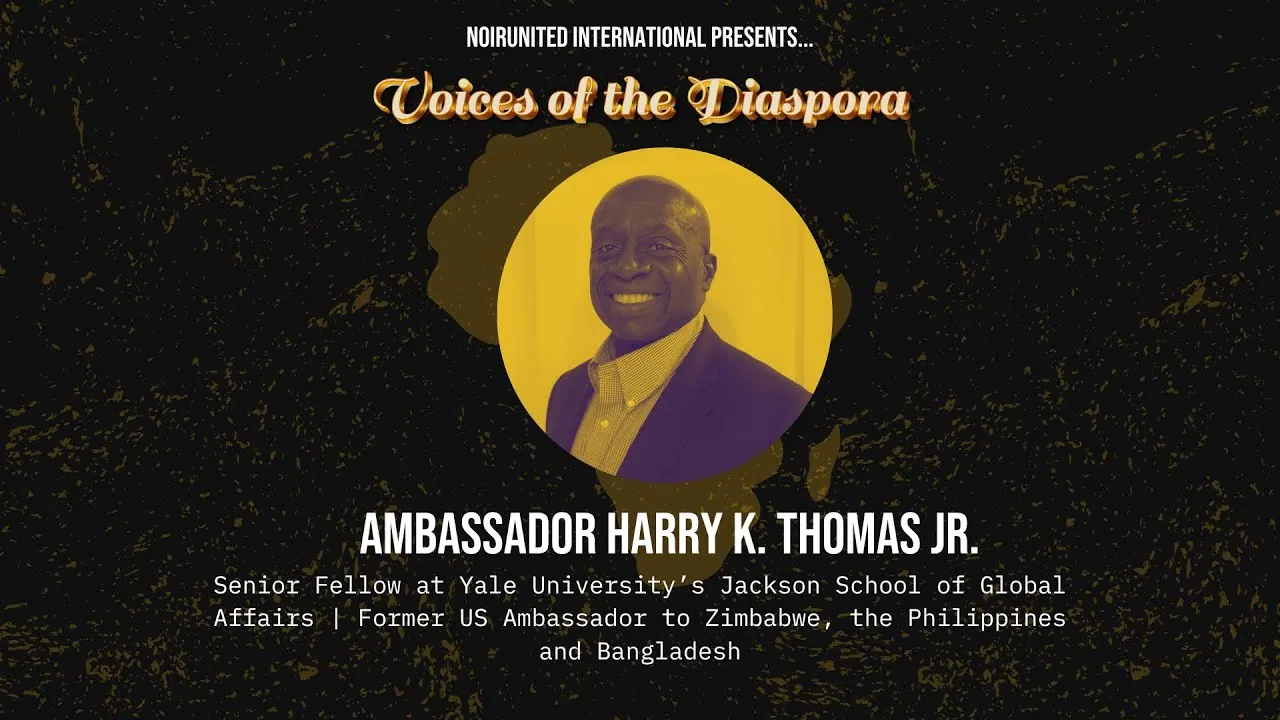
Ambassador Harry K. Thomas Jr.
Former U.S. Ambassador to Zimbabwe, the Philippines and Bangladesh
A 34-year career diplomat on what three embassies taught him about listening, the barriers Black professionals face, and why any organization that wants to matter has to plan in decades and raise its own money.
Three things we took away
- Learn the language, then listen
- Know everyone you work with
- The barriers are the ones every Black professional meets
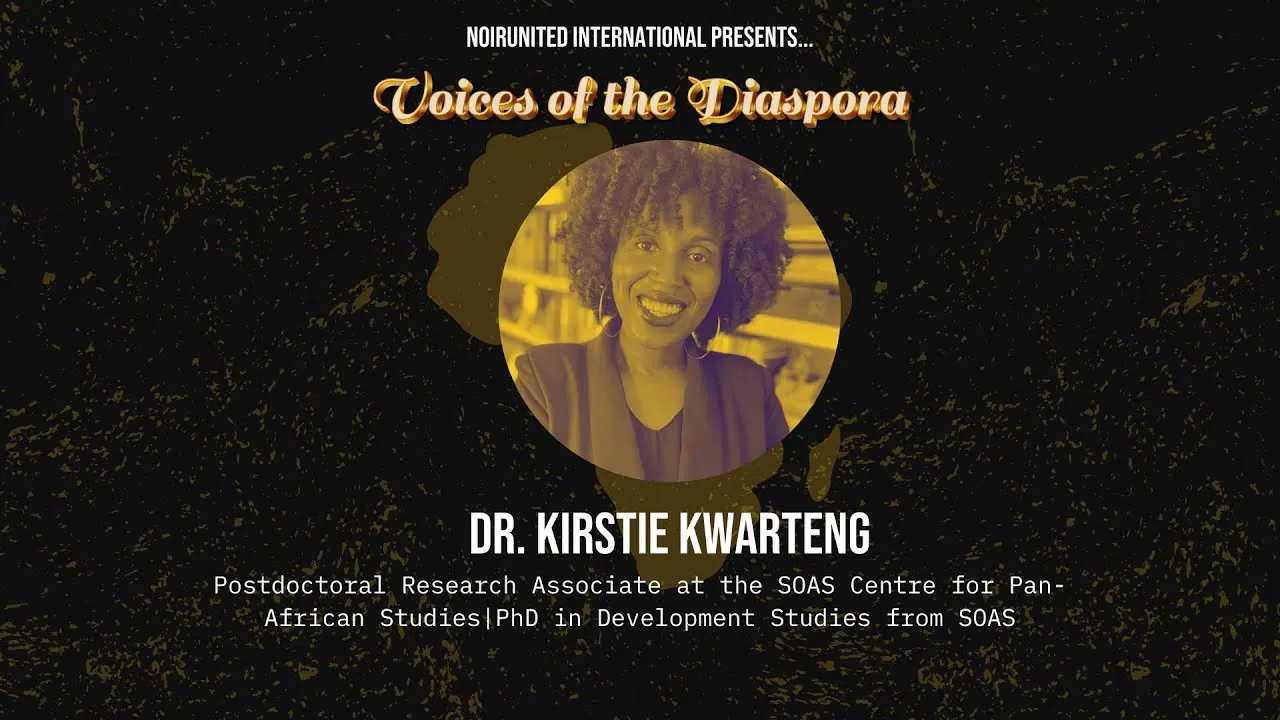
Dr. Kirstie Kwarteng
Migration and diaspora researcher, SOAS Centre for Pan-African Studies
A researcher who studies the children of African immigrants on how our generation stays connected to home: what her research in London, New York and Accra found, the truth about remittances, and where to start.
Three things we took away
- Different is not lesser
- Where you live shapes how you organize
- Engagement follows your stage of life
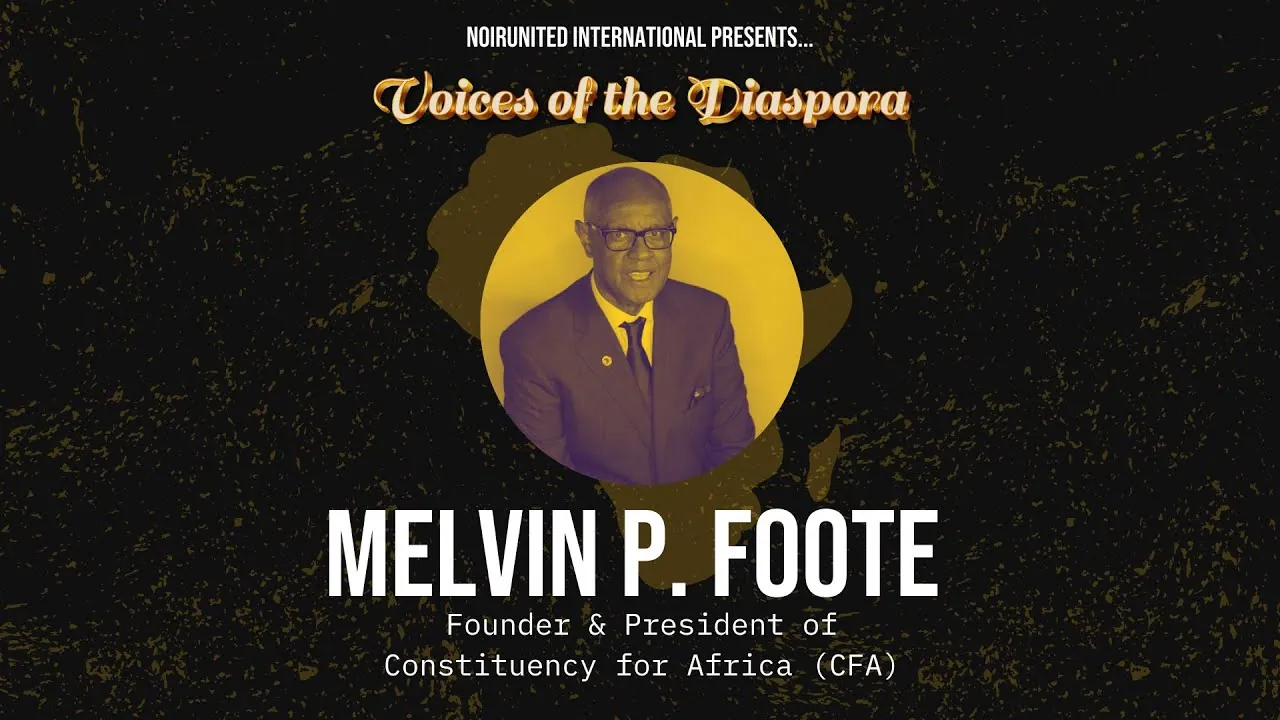
Melvin P. Foote
Founder and President, Constituency for Africa
The founder of the Constituency for Africa on fifty years of work on Africa: why he built a network instead of an empire, who counts as the diaspora, and why the next generation has to be in the room.
Three things we took away
- Share the information, do not compete for it
- When the leaders will not sit together, go to the people who do the work
- You do not have to lead the meeting you organize
In their words
“I don’t do anything by myself, and I don’t call myself the leader of anything.”
“We might not know everything, but we know enough to care and to act.”
“A person in the village can be just as smart as a Rhodes Scholar. It’s just a different kind of smart.”
Be in the room for the next one
Members are invited to every live conversation and can put their own questions to the guest.