
Community Resilience
Ukraine Response
From emergency help and evacuation to scholarships and mental health care, how we stood with African students displaced by the war.

At a glance
- 16,000+African students displaced from Ukrainian universities
- 3,500Students, families and others we directly supported
- 10,000+People in the network we reached
- 3European countries we focused on: Poland, Germany and France
Why we responded
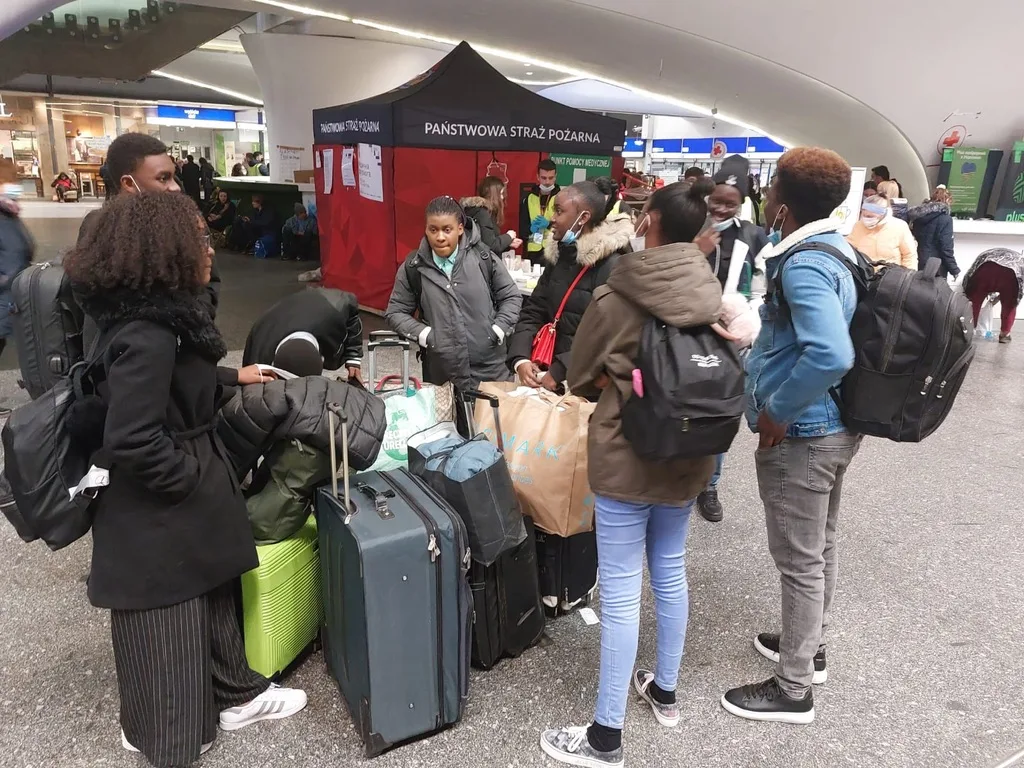
Since the war in Ukraine began in February 2022, more than 16,000 African students studying at Ukrainian universities have been displaced. African students and families were disproportionately affected. They faced discrimination, limited access to humanitarian assistance, and barriers to seeking temporary protection.
NoirUnited responded directly, with food and water, transportation and temporary housing, and then with the longer support students needed to rebuild.
What we did
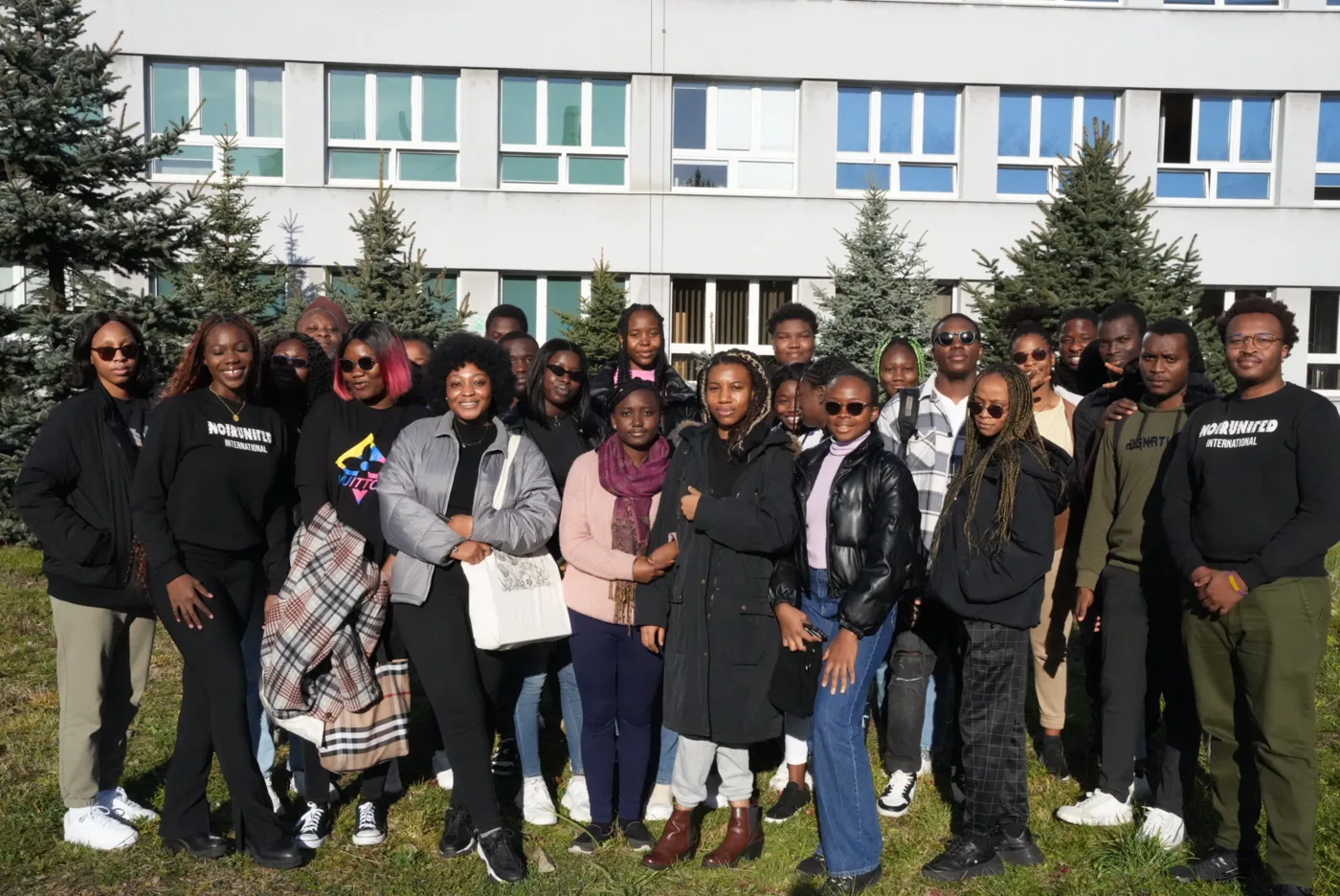
We worked across Europe, focused on Poland, Germany and France, to widen access to legal resources and mental health support. In Poland we met more than 30 students from Kherson who were sheltering at a local monastery. In France we coordinated the evacuation of 41 students from Kherson to Paris, arranging transportation, translators and direct financial assistance. In Germany our co-founders met Minister-Counselor Aboubacar Konate at the Guinean Embassy in Berlin.
“I am the first among my siblings to go to university. This scholarship has helped me continue my education here in Poland.” This is from a NUI-supported student in Warsaw.
What we did, and when
- Feb 2022
The response begins
The war starts and we begin helping displaced African students with food, water, transportation and housing.
- 2022 to 2025
Direct support
About 3,500 students, families and other third-country nationals receive direct support across Europe, including scholarships and technology.
- Feb 2023
Wellness workshops
In-person mental wellness and health workshops in Europe, around the first anniversary of the war.
- 2024
Voices of Survival
Our docuseries tells the stories of African students whose education was disrupted by the war.
From the field
Where we are heading
Our response rests on four kinds of help.
Mental health and psychosocial support
Culturally responsive professionals for online and in-person therapy, healing circles, art therapy and poetry workshops.
Direct cash assistance
Direct payments so people can choose the essentials that fit their circumstances.
Closing the technology gap
New, used or refurbished computers and laptops, plus phones and tablets, so students can keep learning online.
Educational support
Scholarships, with leading educational and philanthropic organizations, so displaced African students can continue their education.
Partners
- Open Society Foundation (Voices of Survival)
- Association of Black Psychologists (healing circles)
Hear it in their words
Watch the docuseries, read how health ties into this work, or help us keep going.